The Health Benefits of Cinnamon
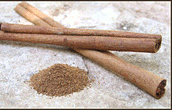
Ceylon Cinnamon

The active principles in the cinnamon spice are known to have anti-oxidant, anti-diabetic, anti-septic, local anesthetic, anti-inflammatory, rubefacient (warming and soothing), carminative and anti-flatulent properties.
Cinnamon has the highest anti-oxidant strength of all the food sources in nature. The total measured ORAC (Oxygen radical absorbance capacity) value for this novel spice is 267536 trolex equivalents (TE), which is many hundred times more than in chokeberry, apples, etc.
The spice contains health benefiting essential oils such as eugenol, a phenylpropanoids class of chemical compound, which gives pleasant, sweet aromatic fragrances. Eugenol has got local anesthetic and antiseptic properties, hence; useful in dental and gum treatment procedures.
Other important essential oils in cinnamon include ethyl cinnamate, linalool, cinnamaldehyde, beta-caryophyllene, and methyl chavicol.
Cinnamaldehyde in cinnamon-sticks has been found to have anti-clotting action, prevents platelet clogging inside the blood vessels, and thereby helps prevent stroke, peripheral arterial and coronary artery diseases.
The active principles in this spice may increase the motility of the intestinal tract as well as help aid in the digestion power by increasing gastro-intestinal enzyme secretions.
This spicy bark is an excellent source of minerals like potassium, calcium, manganese, iron, zinc, and magnesium. Iron is required for cellular metabolism as a co-factor and in RBC's production. Potassium is an important component of cell and body fluids that helps control heart rate and blood pressure. Manganese and copper are chiefly used by the body as co-factors for the antioxidant enzyme, superoxide dismutase.
It also contains very good amounts of vitamin A, niacin, pantothenic acid, and pyridoxine.
Further, it is also a very good source of flavonoid phenolic anti-oxidants such as carotenes, zea-xanthin, lutein and cryptoxanthin.

No comments:
Post a Comment